Finding fresh produce that fits specific alphabetical criteria can be a rewarding way to diversify your kitchen routine. When exploring vegetables that start with n, you uncover a variety of nutrient-dense options that offer distinct textures, flavors, and versatile culinary applications. Whether you are a professional chef or a home cook looking to expand your produce selection, understanding these specific ingredients can elevate your meal preparation.
Word ListsNovember 11, 2026
Vegetables That Start With N: A Complete List and Culinary Guide
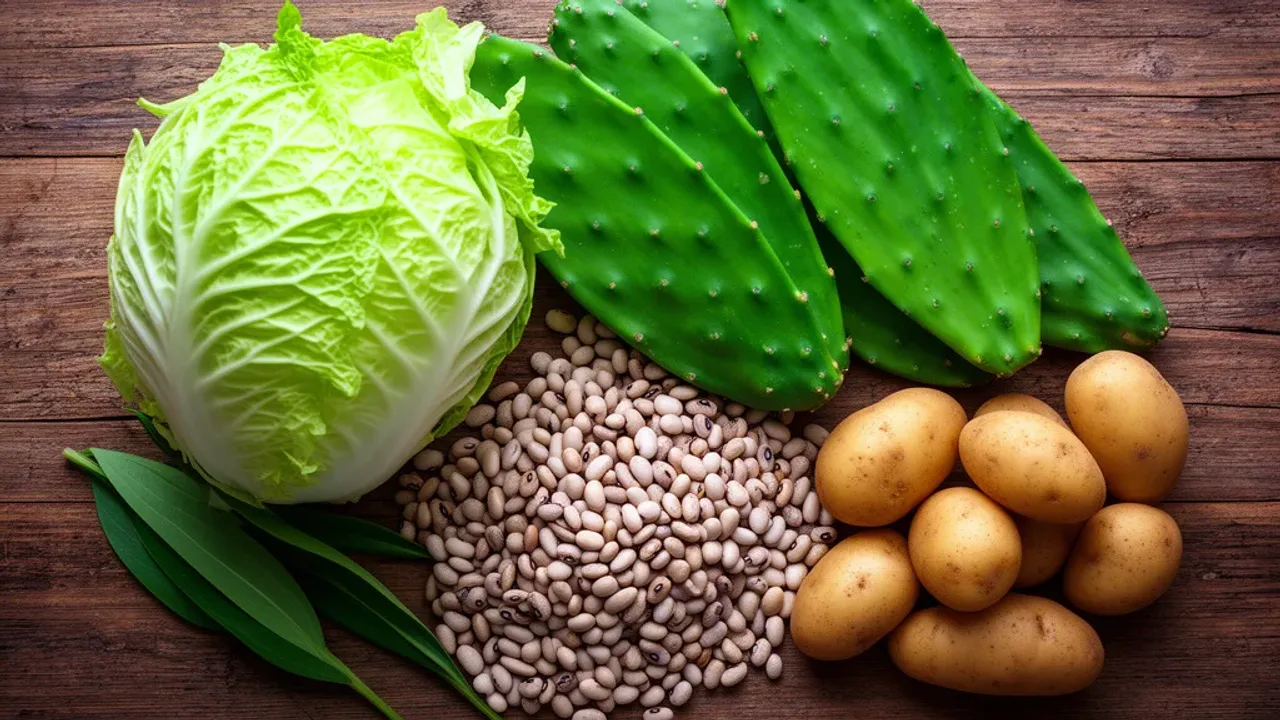 AI-generated image
Key Takeaways:
- The primary staples identified as vegetables that start with n include Napa cabbage, Nopales, Navy beans, and New potatoes.
- Each ingredient offers a unique nutritional profile to support a balanced diet.
- Proper preparation is essential for maximizing the culinary applications of these plants.
- The USDA guidelines emphasize the importance of variety in vegetable consumption.
Concise Descriptions of Key Varieties
Understanding the fundamental characteristics of these plants is the first step toward successful meal planning. Each vegetable brings something different to the plate, ranging from the delicate crunch of leafy greens to the hearty, starchy nature of legumes and tubers.
- Napa cabbage is a mild, crinkly-leafed plant perfect for stir-fries and salads. Its light, sweet flavor profile makes it a staple in many cultural dishes.
- Nopales are fleshy cactus pads offering a crisp, tart flavor. They provide an excellent texture when grilled, boiled, or tossed into fresh salsas.
- Navy beans are a dense legume used in hearty stews and baked dishes. They are highly prized for their ability to hold shape while absorbing complex flavors.
- New potatoes feature thin skin and a creamy interior texture. Because they are harvested early, they maintain a firm structure that is ideal for roasting or boiling.
- Napa cabbage remains crunchy even after brief heat exposure in a hot pan, making it a reliable ingredient for rapid cooking.
- Nopales provide a succulent component when cleaned and diced. They are a traditional dietary component in various arid environments.
- Navy beans serve as a substantial source of plant-based protein, making them an essential pantry item for diverse dietary needs.
- New potatoes hold their shape well when roasted or boiled, making them a kitchen favorite for salads and side dishes.
Comparison of Characteristics and Usage
To better understand how these ingredients perform in the kitchen, it is helpful to compare their physical properties. The following table identifies the texture and typical culinary applications for each.
| Vegetable | Primary Texture | Common Culinary Applications |
|---|---|---|
| Napa cabbage | Crisp | Salads, stir-fries, fermentation |
| Nopales | Succulent | Tacos, salsas, grilled sides |
| Navy beans | Creamy | Soups, baked dishes, stews |
| New potatoes | Firm | Roasting, boiling, salads |
Playful and Creative Culinary Summaries
Cooking should be an enjoyable experience, and experimenting with vegetables that start with n is a great way to bring creativity to your dining table. These summaries offer inspiration for incorporating these items into your weekly rotation.
- Add a kick to your produce selection with the refreshing, layered crunch of Napa cabbage.
- Explore the unique side of nature by preparing tender Nopales for a vibrant taco night.
- Navy beans turn every slow-cooked recipe into a rich, comforting experience for the whole family.
- New potatoes are the perfect small-batch addition to any dinner plate, requiring minimal seasoning to shine.
- Bring variety to your kitchen with the botanical diversity found in vegetables that start with n.
- Napa cabbage is the ultimate teammate for ginger, garlic, and soy sauce pairings.
- Turn dinner into an adventure by harvesting the potential of nutrient-rich garden staples.
- Nopales make every meal a celebration of color and texture, offering a bright, vegetal note.
- Try roasting New potatoes with fresh garden herbs for a simple yet elegant side dish.
- Navy beans are a fantastic base for thick, flavorful soups that satisfy even the hungriest guests.
Formal Botanical Overviews and Classification
From a scientific perspective, these vegetables represent diverse families and cultivation histories. Understanding their botanical nature can assist in selecting the best specimens at the market.
- Brassica rapa subsp. pekinensis, or Napa cabbage, is a horticultural staple grown for its dense, succulent leaves. It thrives in cool weather and requires consistent moisture.
- Opuntia, or Nopales, refers to the botanical genus of cactus pads utilized in various regional cuisines for their fleshy, fiber-rich composition.
- Phaseolus vulgaris, known as Navy beans, is a legume species recognized for its high nutritional density and its role in sustainable agricultural systems.
- Solanum tuberosum, or New potatoes, describes tubers harvested at an early stage of development, prized for their delicate, thin skin and creamy interior.
- All of these plants contribute to a diverse agricultural landscape, supporting local food systems across different climates.
- The cultivation of these vegetables often requires specific environmental conditions to ensure optimal growth and flavor development.
- Botanical research continues to explore the resilience of these species, particularly in the face of changing environmental conditions.
Frequently Asked Questions
What is the most common variety of vegetables that start with n?
Napa cabbage is widely recognized in many professional and home kitchens. It is a highly accessible option in any standard produce selection, valued for its versatility in both raw and cooked dishes.
Are Nopales difficult to prepare for the table?
Nopales require the careful removal of exterior spines before they can be consumed. Once cleaned, they are straightforward to boil, grill, or sauté, often softening to a texture similar to green beans.
How do Navy beans compare to other types of legumes?
Navy beans are distinct for their small size and creamy, soft texture when fully cooked. They are frequently selected for their robust nutritional profile and their ability to thicken soups and stews naturally.
What is the best way to handle New potatoes during preparation?
New potatoes are best enjoyed with the thin, delicate skin left intact to preserve their natural flavor and texture. Because they are harvested early, they are ideally suited for quick roasting or boiling in light sauces.
Where can I find more information on these vegetables?
Resources such as the USDA, the CDFA, and the NAL provide comprehensive guidelines on the nutritional profile of various plants. These documents offer reliable data for your produce selection and preparation.
Advanced Culinary Tips for Success
To ensure you get the most out of your vegetables that start with n, consider these professional techniques for handling and storage. Proper care in the kitchen ensures that your ingredients remain at their peak quality.
- Store Napa cabbage in a perforated plastic bag in the refrigerator to maintain its signature crunch.
- When working with Nopales, use a sharp knife to carefully shave off the spines, keeping your hands protected.
- Soak Navy beans overnight to reduce the required cooking time and ensure an even texture throughout the batch.
- Keep New potatoes in a cool, dark place, away from sunlight, to prevent greening and maintain their firm structure.
- Experiment with fermenting Napa cabbage to create a tangy, probiotic-rich addition to your meals.
- Grill Nopales over high heat to achieve a light char, which enhances their natural, slightly tart flavor.
- Use the liquid from cooked Navy beans in recipes as a thickener; it is packed with flavor and nutrients.
- Steam New potatoes briefly before roasting to ensure a crispy exterior and a perfectly fluffy center.
Summary
Incorporating diverse options like Napa cabbage, Nopales, Navy beans, and New potatoes ensures a wider range of essential nutrients in your diet. Fresh produce is always the best choice for quality. Eat well today.
Share: