The study of nature reveals many fascinating examples of insects that start with r, including the red-legged grasshopper, the rhinoceros beetle, and the rose chafer. These diverse species represent just a few examples of insects found in nature that share this starting letter. Understanding these creatures provides deeper insight into the complexity of our local ecosystem and the vital roles these organisms play in environmental health.
Word ListsNovember 17, 2026
Insects That Start With R: A Comprehensive List
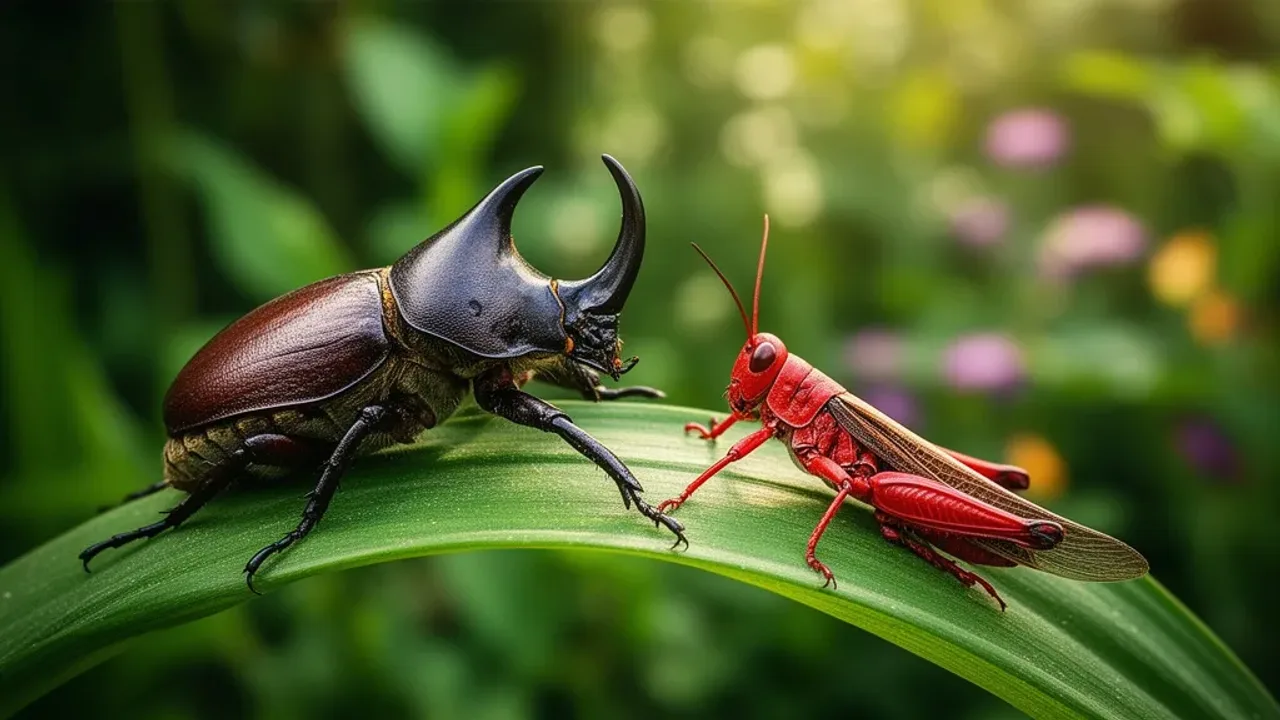 AI-generated image
Key Takeaways:
- Insects that start with r are found across various environments, ranging from meadows to forest floors.
- The rhinoceros beetle is a primary example of an insect recognized by its distinct physical characteristics.
- Observing these creatures in their local ecosystem requires patience and careful attention to detail.
- Different species, such as the red-legged grasshopper, play specific roles in maintaining ecological balance.
Short and Descriptive Snippets
The insect world is vast, and those beginning with the letter R are particularly intriguing for enthusiasts and researchers alike. Whether you are observing a beetle in your backyard or studying butterflies in a meadow, these snippets offer a quick look at some of the most notable species.
- The rhinoceros beetle is known for its impressive horn and significant strength.
- Red-legged grasshoppers are common in many North American meadows and fields.
- Rose chafers often display a beautiful metallic green color that catches the sunlight.
- Rove beetles are slender insects frequently found under forest debris or decaying organic matter.
- The red admiral is a migratory butterfly recognized by its distinct red-banded wing coloration.
- Robber flies are skilled aerial predators that play a crucial role in managing other insect populations.
- Running water striders glide across the pond surface with ease, supported by surface tension.
- Radiant colors define the wings of the regal fritillary, a butterfly species found in tallgrass prairies.
- Rhinoceros beetles are often kept as pets in some cultures due to their unique appearance and manageable size.
- Red-legged grasshoppers serve as a primary food source for various birds and small mammals in the wild.
Playful and Humorous Descriptions
Nature often has a sense of humor, and some of the insects we encounter possess curious behaviors that seem almost human. From the competitive nature of beetles to the nimble movements of grasshoppers, these descriptions bring a lighter perspective to entomology.
- Rhino beetles think they are the toughest bugs on the block, always showing off their horns.
- Rose chafers are just fancy beetles looking for a snack in your favorite garden flower.
- Red-legged grasshoppers might be small, but they sure can leap when they want to get away.
- Don't let the robber fly fool you; it is just a tiny pilot hunting for dinner in the sky.
- The rove beetle is the master of the quick getaway, hiding before you even notice it.
- If you see a red admiral, you are looking at a flying piece of art that loves to travel.
- Some beetles have horns; others just have a lot of attitude when they are disturbed.
- Nature’s little acrobats are often found hiding in the garden, waiting for the perfect moment.
- Water striders are basically the ice skaters of the pond, and they never seem to fall in.
- The regal fritillary is like the royalty of the prairie, always looking elegant in the breeze.
Educational and Formal Summaries
For those interested in the formal study of these creatures, understanding their taxonomic rank and specific habitat needs is essential. Accurate identification is the first step toward effective insect research and conservation efforts in our local ecosystems.
| Insect Species | Taxonomic Rank | Primary Habitat |
|---|---|---|
| Red-legged grasshopper | Melanoplus femurrubrum | North American meadows |
| Rhinoceros beetle | Dynastinae | Decaying wood and forests |
| Rose chafer | Cetonia aurata | Garden flowers and orchards |
| Rove beetle | Staphylinidae | Soil, leaf litter, and fungi |
| Red admiral | Vanessa atalanta | Gardens, fields, and forest edges |
| Robber fly | Asilidae | Open fields and meadows |
The diversity within these groups is immense. For example, the family Staphylinidae, containing rove beetles, is one of the largest in the animal kingdom. Their ability to occupy diverse niches allows them to survive in almost every environment on the planet. Similarly, the migratory patterns of the red admiral butterfly are a subject of ongoing research, as they move across great distances to find suitable breeding grounds.
Preparation and Observation Tips
Engaging with the natural world is a rewarding pursuit. If you plan to spend time observing insects that start with r, follow these guidelines to ensure a productive and responsible experience.
- Carry a magnifying glass or a macro lens to better observe the intricate features of these small creatures.
- Visit your local ecosystem during the early morning hours when insect activity is typically at its highest.
- Maintain a safe distance to avoid disturbing the natural behavior of the insect, especially during mating or feeding.
- Document your findings using a notebook or digital app to track the frequency and location of the species you encounter.
- Wear protective clothing if you are exploring dense forest areas to prevent tick bites and other potential hazards.
- Always respect the environment by staying on marked paths and avoiding the destruction of plant life.
- If you are photographing insects, use natural light to capture the true color and texture of their exoskeletons.
- Consider joining a local naturalist group to learn more about the indigenous insects in your specific region.
Frequently Asked Questions
Why are insects that start with r important?
Many insects, such as the rose chafer, act as pollinators, which is essential for the reproduction of many plants. Others, like robber flies, help control populations of various pests, maintaining balance in the ecosystem as noted by Entomology Society and Nature Research.
Are all insects that start with r harmful?
No. Most insects are beneficial to their environments and serve as food for birds and other animals, according to The Wildlife Society. Only a small percentage are considered pests in agricultural or home settings.
Where can I find these insects?
You can find them in diverse habitats, including gardens, forests, and near bodies of water, depending on the specific species. Searching under leaves or near flowering plants often yields the best results, as detailed by USGS Biological Surveys.
How does insect research help us?
Ongoing insect research provides data on population trends and the overall health of our environment. Understanding these species helps in conservation efforts for indigenous insects, a point supported by the Smithsonian Institution.
What is the best way to categorize these creatures?
The most accurate method is through proper insect classification based on their unique physical traits and behaviors. This helps distinguish between different species that share similar names or appearances, confirming the methods used by leading researchers in the field.
Can I keep these insects as pets?
Some species, such as certain rhinoceros beetles, are kept as pets in various parts of the world. However, it is vital to research the specific needs and legality of keeping wild species in your area before attempting to do so.
Summary
Diverse species categorized as insects that start with r offer a unique glimpse into the complexity of our natural world. Utilizing proper insect classification remains the best way to ensure accurate identification during your observations in the field.
By learning about these creatures, you contribute to a better understanding of biodiversity. Keep observing, documenting, and protecting the small wonders that live alongside us.
Share: