Denmark, Djibouti, and the Dominican Republic are the only three sovereign nations recognized as UN Member States that fall into the category of countries that start with d. These three nations, while few in number, offer a fascinating look into the diverse geographical and political landscapes of our world. From the northern reaches of Europe to the strategic coastlines of East Africa and the tropical beauty of the Caribbean, these countries represent unique cultural and historical identities.
Word ListsNovember 20, 2026
The 3 Countries That Start With D: A Complete List
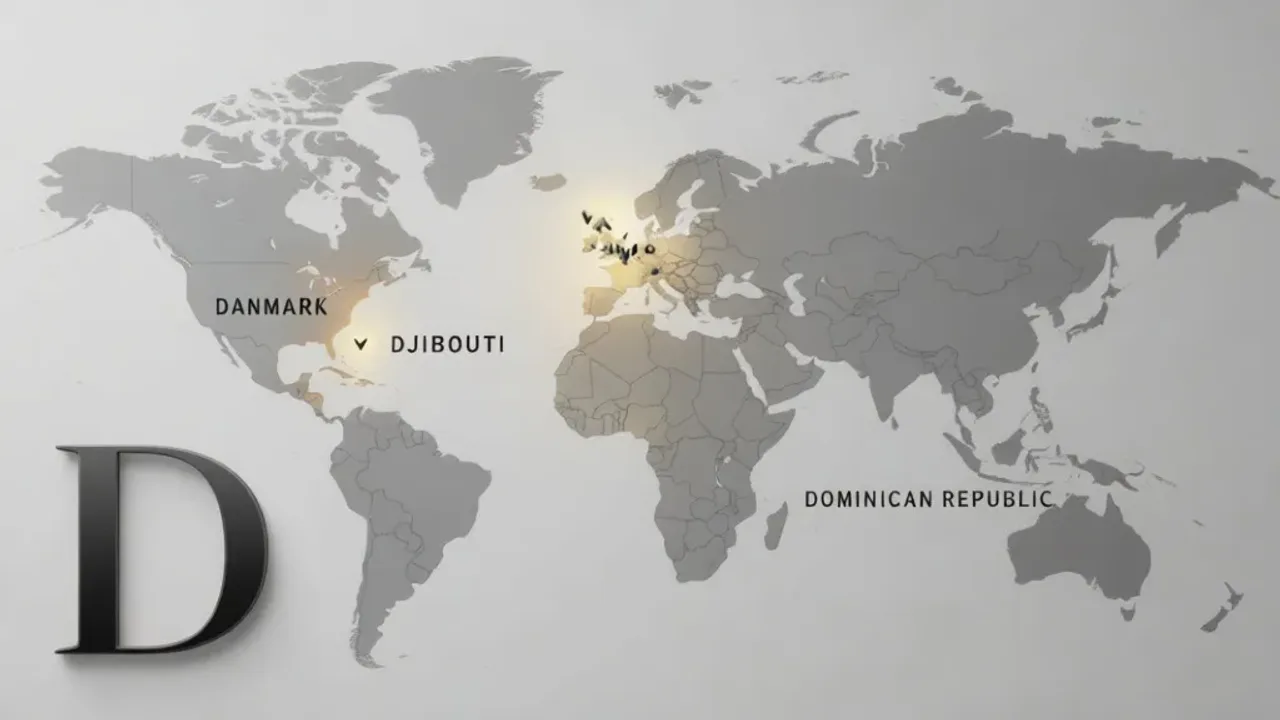 AI-generated image
Key Takeaways:
- There are exactly three sovereign nations currently recognized globally as countries that start with d.
- The list consists specifically of Denmark, Djibouti, and the Dominican Republic.
- Each of these nations is situated on a different continent, contributing to a global distribution.
- Understanding the official status of these nations helps researchers and students maintain accurate geographic records.
The Geographic Diversity of Countries That Start With D
When analyzing global geography, the rarity of countries that start with d is notable. Many letters of the alphabet claim dozens of nations, yet the letter D is represented by only three sovereign states. This limited group provides a clear, manageable list for those interested in trivia, academic research, or international relations.
Denmark, located in Northern Europe, is the first of these nations. It is a constitutional monarchy known for its progressive social policies, modern architecture, and deep-seated Viking heritage. As a member of the European Union, it holds a significant position in continental politics. Its geography is characterized by flat, arable land and sandy coasts, which have shaped its history as a maritime power.
Djibouti, the second nation on the list, offers a sharp contrast to the European environment of Denmark. Situated in the Horn of Africa, Djibouti serves as a critical geopolitical hub. It sits at the intersection of the Red Sea and the Gulf of Aden, making it a vital transit point for international maritime trade. The landscape here is largely arid, featuring volcanic formations and salt lakes, which reflect its complex geological history.
The Dominican Republic, the final nation in this group, provides a Caribbean perspective. Located on the island of Hispaniola, which it shares with Haiti, the Dominican Republic is known for its mountainous terrain and lush, tropical climate. Its history is shaped by a blend of indigenous, European, and African influences, which are still evident in its music, architecture, and daily life today.
Comparative Analysis of Nations
To better understand these entities, it is useful to compare them across several key metrics, including their continental location and status as UN Member States. The following table provides a breakdown of these facts for professional reference.
| Country Name | Continent | Primary Status |
|---|---|---|
| Denmark | Europe | UN Member State |
| Djibouti | Africa | UN Member State |
| Dominican Republic | Caribbean | UN Member State |
Procedural Steps for Geographical Research
For those performing formal research, consistency is vital. Maintaining an accurate record of global nations requires strict adherence to international standards. Follow these steps to ensure your documentation remains professional and error-free:
- Verify the current sovereign status of each nation through the official records maintained by the United Nations.
- Always cross-reference the official name of the country. For example, ensure that the Dominican Republic is distinguished from other territorial entities.
- Use standardized alphabetical sorting to arrange your list. This improves readability for your audience.
- Update your datasets periodically to reflect any changes in international recognition or political status.
- Ensure that the spelling of each country is correct, as minor variations can lead to significant data discrepancies in formal reports.
The Cultural Significance of These Nations
Beyond their geography, these nations possess rich cultural histories. Denmark’s influence on literature and design is globally recognized. Its commitment to the concept of "hygge" has become a cultural phenomenon, emphasizing comfort and well-being in daily life. This cultural export has influenced modern interior design and lifestyle trends far beyond its borders.
Djibouti’s culture is a vibrant tapestry reflecting its position as a meeting point of civilizations. With influences from Afar, Somali, and French traditions, its societal structure is unique in the Horn of Africa. The blend of these cultures is evident in the local language, culinary practices, and social customs, which continue to evolve in response to the country's growing importance in the international arena.
The Dominican Republic is celebrated for its contribution to music and dance, particularly the merengue and bachata. These genres have gained worldwide popularity, serving as a testament to the nation's creative spirit. The cultural vibrancy of the Dominican Republic is a core element of its national identity, attracting visitors and researchers who wish to explore the depth of Caribbean traditions.
Challenges in Categorization
One common challenge when researching countries that start with d is the potential for confusion with non-sovereign territories or historical names. It is important to distinguish between sovereign nations and other geopolitical entities. While some regions may have names starting with the letter D, they do not hold the same status as the three nations listed here.
For instance, some may mistakenly include various provinces or regions in their search results. Maintaining a strict focus on UN Member States allows for a cleaner, more accurate classification system. This approach prevents the inclusion of data that might confuse the user or lead to an incorrect understanding of how the international community is structured.
Frequently Asked Questions
How many nations are included in this group?
There are exactly three sovereign nations that meet the criteria. This group consists of Denmark, Djibouti, and the Dominican Republic.
Are there any other nations that qualify?
No, these three nations are the only ones currently recognized as sovereign states under this specific alphabetical classification by the international community.
What defines the status of these nations?
Each of these nations is a recognized UN Member State. This status indicates that they hold sovereignty, maintain their own government, and participate in international relations as independent entities.
How should one organize these nations in a formal report?
It is standard practice to list them alphabetically. This helps in maintaining a professional presentation and ensures that the reader can quickly locate the information required for their specific needs.
Why is accurate classification important?
Accurate classification is essential for academic integrity, administrative accuracy, and the general organization of geographic data. Using precise terminology ensures that your research is useful to others and stands up to scrutiny.
Final Considerations for Researchers
When compiling information about these nations, the focus must remain on verified facts. Avoid relying on unofficial sources that might contain outdated information or incorrect classifications. By sticking to the list of Denmark, Djibouti, and the Dominican Republic, you ensure that your work remains grounded in official international standards.
Always keep your documentation updated. While the number of these nations is unlikely to change frequently, political landscapes can shift. Regular verification is the hallmark of professional research. Utilize official databases and library resources to confirm your findings whenever you are drafting a document that requires high levels of accuracy.
The identification of these nations requires attention to official sovereign status and geographic classification. Always verify the status of nations through recognized international bodies to ensure your research remains accurate and professional.
Share: