A length of 24 centimeters is equal to 9.45 inches. When someone asks how tall is 24 cm, the answer is a straightforward conversion to imperial units. This measurement is also equivalent to 0.24 meters or 0.787 feet. Understanding these measurements is vital for anyone working with global standards, whether in engineering, design, or daily household tasks.
MeasurementsNovember 18, 2026
How Tall Is 24 cm? Conversion to Inches and Feet
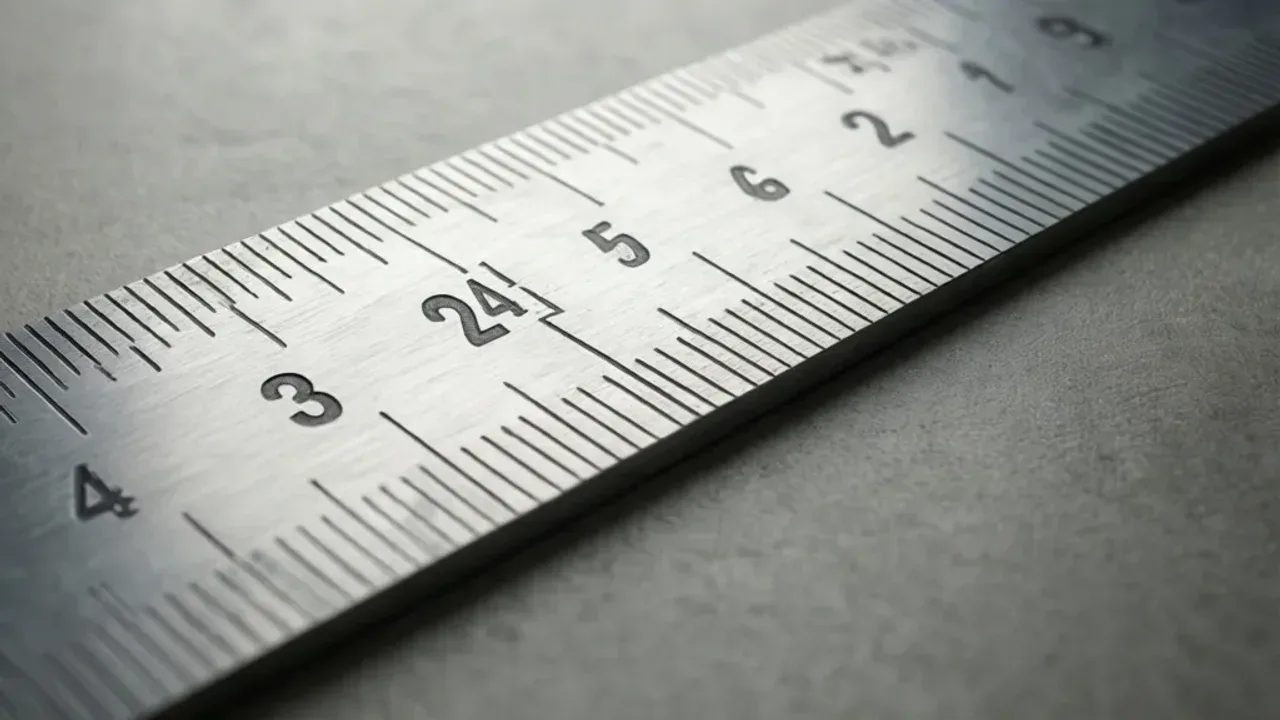 AI-generated image
Key Takeaways:
- A measurement of 24 centimeters converts to approximately 9.45 inches.
- The metric value of 24 centimeters is equal to 0.24 meters.
- Using a standard conversion factor of 2.54 centimeters per inch ensures accuracy.
- Understanding these units helps in comparing dimensions for daily tasks.
Metric and Imperial Conversion Standards
Conversion relies on the international standard where one inch equals exactly 2.54 centimeters. By dividing the 24-centimeter value by 2.54, you get the result in inches. This math ensures global consistency. Many people searching for how tall is 24 cm find this calculation essential for verifying dimensions on household products. It is quite simple. The metric system provides a decimal-based approach that is widely used in science and international trade, while the imperial system remains deeply embedded in American daily life.
When you consider the relationship between these units, you realize that precision is paramount. A small error in conversion can lead to significant discrepancies in large-scale projects. By adhering to the 2.54 factor, you eliminate ambiguity. Whether you are dealing with manufacturing specifications or simple DIY measurements, consistency is the goal. It works every time.
| Measurement System | Value for 24 cm |
|---|---|
| Inches | 9.45 in |
| Meters | 0.24 m |
| Feet | 0.787 ft |
| Millimeters | 240 mm |
Practical Application and Contextual Use
Measuring objects at 24 centimeters is common in various settings. Often, you will find this length when dealing with standard electronics, paper sizes, or kitchen equipment. To ensure accurate results, follow these steps:
- Use a ruler with clear markings to find the 24-centimeter point.
- Verify if your tools provide both metric and imperial scales.
- Confirm the required unit before starting your project to prevent errors.
- Double-check your math if you are converting between systems.
- Always measure twice to ensure precision.
Keep these points in mind when you are working with these dimensions:
- Small items often fall near this length.
- Tablet screens often utilize these specific sizes.
- Always check if your specifications require metric or imperial units.
- Precision tools lead to better results.
- Digital calipers provide the most accurate readings.
For those still wondering how tall is 24 cm in different contexts, the value remains constant. Use a reliable tool. Dual-scale markings simplify the transition between systems. It is a fundamental skill for engineers and students alike.
The Importance of Standardized Measurement
The history of measurement is a fascinating subject. Before modern standardization, units were often based on physical objects or human anatomy, which led to confusion. Today, we rely on the International System of Units (SI). Understanding how 24 centimeters fits into this framework allows for seamless communication between different regions. If you are building a product, you must decide which standard to follow from the outset.
Metric units are favored for their simplicity. Since everything is based on powers of ten, moving between centimeters, millimeters, and meters is intuitive. In contrast, the imperial system requires more complex memorization. However, both have their place. When you know how to convert efficiently, you harness the power of both systems.
Advanced Conversion Techniques
If you need to perform high-precision conversions, consider using a calculator or professional software. While 9.45 inches is the standard rounded figure, the exact decimal is slightly more complex. In most professional settings, rounding to two decimal places is sufficient. However, for specialized engineering tasks, you might need higher precision. Always verify your requirements before finalizing a design.
Frequently Asked Questions
Is 24 centimeters longer than 10 inches?
No. 24 centimeters equals 9.45 inches, which is slightly less than 10 inches. This difference is noticeable when measuring precisely.
How many millimeters are in 24 centimeters?
There are 240 millimeters in 24 centimeters. You simply multiply the centimeter value by 10 to reach the millimeter total.
Can I convert 24 centimeters to feet easily?
Yes. 24 centimeters is approximately 0.787 feet. To convert, you divide the centimeter value by 30.48, which is the number of centimeters in one foot.
Why is 24 centimeters converted to 9.45 inches?
This result comes from dividing 24 by 2.54. Because one inch is exactly 2.54 centimeters, this constant ensures global consistency in measurement.
What is the meter equivalent of 24 centimeters?
The equivalent is 0.24 meters. You find this by dividing the centimeter value by 100, which is the standard conversion factor for meters.
Does temperature affect these measurements?
Generally, no. Unless you are working with materials that expand significantly under heat, these measurements remain stable.
Are there tools that measure both units?
Yes, many professional rulers and tape measures feature dual scales. This is the most efficient way to work simultaneously in metric and imperial.
Conclusion
In summary, 24 centimeters is equivalent to 9.45 inches. Always utilize a dual-scale tool to ensure precision when working between metric and imperial units. Mastery of these basic conversions allows you to navigate technical challenges with confidence and accuracy.
Share: