The selection of tools that start with p encompasses a wide array of specialized equipment essential for precision, construction, and maintenance tasks. Whether working in a professional workshop or tackling home repairs, having the correct gear ensures that every job is completed with accuracy and efficiency. Mastering these implements is a fundamental step for any craftsperson.
Word ListsOctober 30, 2026
Essential Tools That Start With P: A Comprehensive Guide
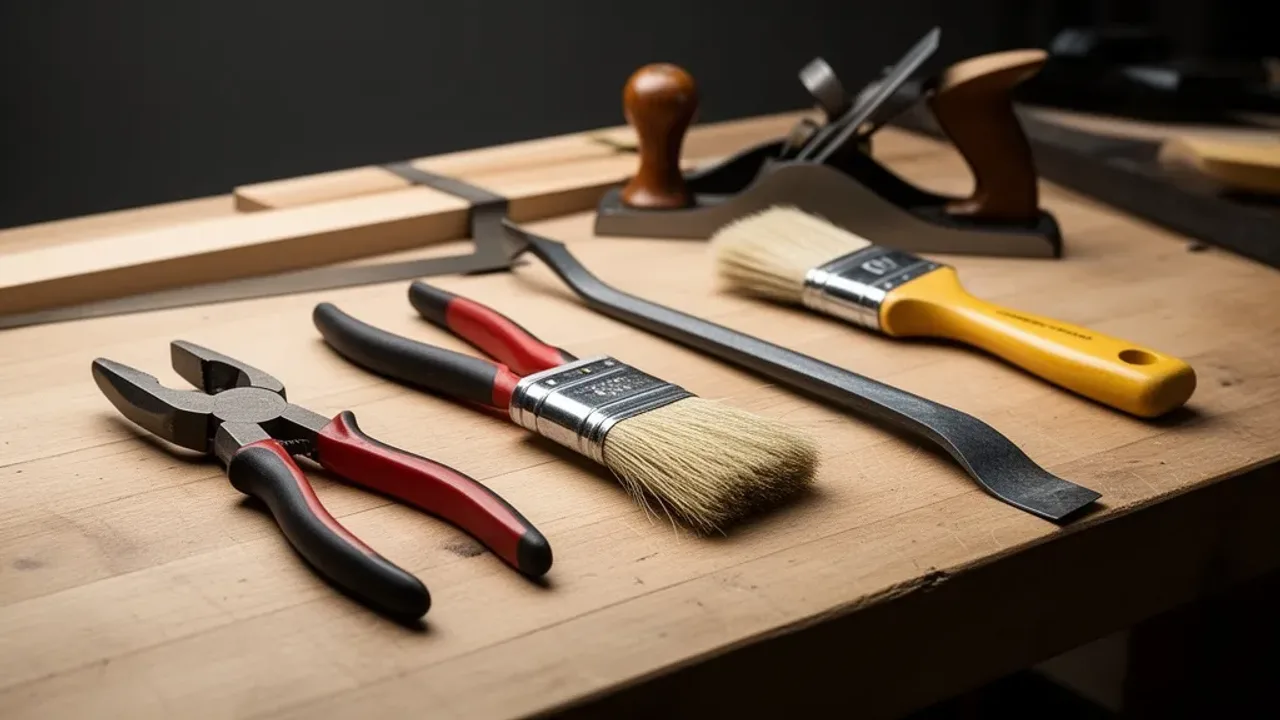 AI-generated image
Key Takeaways:
- Proper selection of equipment improves the overall quality of construction and repair projects.
- The Los Angeles Tool Library (LATL) provides community access to a broad inventory of necessary items.
- Resources such as the Pacific Design Center (PDC) and Pasadena Hardware and Paint (PHP) are primary locations for sourcing professional-grade gear.
- Regular maintenance of your equipment prevents premature wear and enhances safety during operation.
Categorized Descriptions of Equipment
Understanding the specific function of various implements allows for better project management. Below are detailed descriptions of common items that begin with the letter P.
- Pliers: These are essential hand tools designed for gripping objects firmly, bending wire, or cutting materials with precision. They come in various configurations, including needle-nose, linesman, and slip-joint, each serving a unique purpose in electrical and mechanical work.
- Paintbrushes: An indispensable instrument for applying coatings, stains, or finishes to surfaces smoothly. A high-quality brush can significantly influence the final aesthetic of a project, ensuring an even distribution of color.
- Planes: A woodworking tool used for smoothing, shaping, and flattening wooden surfaces by shaving thin layers. The depth of the cut is adjustable, allowing for extreme precision when fitting joints or cleaning up rough-sawn lumber.
- Pry Bars: These serve as heavy-duty levers for removing nails, opening crates, or separating materials held together by fasteners. The mechanical advantage provided by a sturdy pry bar is unmatched in demolition or assembly tasks.
- Power Drills: These utilize electric motors to rotate bits, allowing for the rapid creation of holes in wood, metal, or masonry. Modern models often feature lithium-ion batteries, providing cordless convenience without sacrificing torque.
- Putty Knives: These feature a flat, flexible blade ideal for spreading compounds or scraping away old paint and adhesive. They are vital for surface preparation before painting or wallpapering.
- Pipe Wrenches: Specifically engineered to provide a secure, self-tightening grip on rounded metal surfaces, such as plumbing conduits. The serrated jaws bite into the pipe, ensuring that even stubborn joints can be loosened.
- Punch Tools: These are used to create indentations or holes in hard materials, often serving as a guide for drilling or marking layout lines. A center punch is particularly useful for preventing drill bits from wandering.
Professional Technical Standards
In industrial settings, the requirements for equipment often exceed those of standard home use. Professional-grade items must withstand rigorous daily operation and provide consistent results.
- Pneumatic Tools: These operate using compressed air, providing high power output for industrial assembly and fastening tasks. They are favored for their durability and lack of internal motors that might overheat.
- Precision Calipers: These allow for the measurement of objects with high accuracy, often down to a fraction of a millimeter. They are critical in machining and engineering where tolerances are tight.
- Polishing Machines: Specialized power tools used to achieve a high-gloss finish on automotive or industrial surfaces. Variable speed control is a common feature, preventing heat buildup on delicate finishes.
- Pneumatic Nailers: These drive fasteners into substrates at high speed, significantly increasing productivity on large construction sites. They reduce physical fatigue and ensure consistent depth for every nail.
- Protractors: Essential geometric tools for measuring and marking specific angles during layout and fabrication processes. Digital versions provide instantaneous readouts to the nearest decimal.
- Plumb Bobs: These utilize a weighted line to establish a perfectly vertical reference point for structural alignment. Despite the rise of lasers, the plumb bob remains a reliable, non-electronic standard.
- Platform Lifts: These provide stable, elevated surfaces for workers to access high-reach areas safely during building maintenance. Safety interlocks are standard to prevent accidental movement.
- Pressure Washers: These deliver high-intensity water streams to clean debris from exterior surfaces like concrete, siding, and machinery. They are efficient for removing grime that would otherwise require significant manual labor.
Comparison of Equipment Utility
Selecting the right gear requires an understanding of the trade-offs between manual and powered options. The following table provides a quick reference for common tasks.
| Category | Primary Application | Power Source |
|---|---|---|
| Fastening | Assembly | Electric/Pneumatic |
| Finishing | Surface Treatment | Manual/Electric |
| Measurement | Layout/Alignment | Manual |
| Demolition | Separation | Manual |
Procedural Recommendations for Project Preparation
- Evaluate the material density before choosing the appropriate size for your drill bits or punch tools.
- Consult the inventory lists at the LATL to determine if specialized equipment is available for loan before buying.
- Visit the PDC or PHP to inspect the build quality of professional-grade power tools.
- Always verify that the power source, whether pneumatic or electric, is compatible with your current workshop setup.
- Organize your workspace to ensure that frequently used tools are within arm's reach to improve workflow speed.
- Clean all metal surfaces with a light oil after use to prevent corrosion, especially in humid environments.
- Test the functionality of pneumatic lines for leaks before beginning a high-volume fastening task.
- Keep a log of maintenance intervals for all electric motors to extend the service life of your equipment.
Creative and Descriptive Perspectives
Beyond the technical specifications, there is an art to using these implements. The right choice transforms a difficult task into a rewarding experience.
- Paintbrushes dance across the canvas, leaving vibrant trails of color to bring artistic visions to life.
- Pliers stand ready in the toolbox, a reliable companion for every tight grip and tricky repair.
- Like a sculptor’s touch, the plane glides over grain, revealing the smooth beauty hidden within raw timber.
- When stubborn boards refuse to yield, the pry bar steps in with mechanical advantage and quiet strength.
- A power drill hums with potential, turning bits into architects of progress for every home improvement plan.
- With a steady hand, the putty knife spreads perfection, sealing gaps and preparing surfaces for their final coat.
- The pipe wrench is a metallic anchor, holding firm against the force of turning metal and stubborn joints.
- Punches leave their mark with precision, guiding the way for screws to follow a perfect, pre-determined path.
Frequently Asked Questions
What is the most common tool starting with P?
Pliers are widely considered the most common and versatile hand tool. They are a staple in almost every workshop for gripping, bending, and cutting.
Are power tools starting with P suitable for beginners?
Yes, tools like power drills are designed with adjustable settings that make them accessible for beginners to learn at their own pace. Always read the manual before initial use.
Which implements are best for woodworking?
The plane and the power drill are essential for shaping and assembling wooden projects. These tools that start with p allow for both fine-tuning and structural work.
How do I maintain my workshop equipment?
Keep metal tools clean and dry to prevent corrosion. Store all power tools in a dust-free environment to ensure longevity and consistent performance.
Where can I find specialized equipment for large projects?
Resources such as the LATL or specialized shops like PHP offer a wide selection of equipment. These locations are excellent for sourcing both standard and professional-grade items.
To successfully utilize tools that start with p, one must prioritize the matching of device capabilities to the specific demands of the project material. Regular maintenance and proper sourcing from reputable locations like the LATL, PDC, or PHP remain the most effective ways to ensure high-performance results.
Mastering the use of tools that start with p requires both mechanical knowledge and a commitment to proper safety protocols. Always select your gear based on specific project requirements to achieve the most professional finish possible.
Share: