When you ask how long is 5 feet, you are inquiring about a fundamental unit of length in the U.S. customary system. To provide the exact answer immediately: 5 feet is equivalent to exactly 1.524 meters. This distance, while appearing simple, serves as a cornerstone for various industries, including construction, interior design, and personal health metrics. Understanding the precise conversion between imperial and metric units ensures that your projects remain accurate and consistent.
MeasurementsOctober 22, 2026
How Long Is 5 Feet? 1.524 Meters Explained
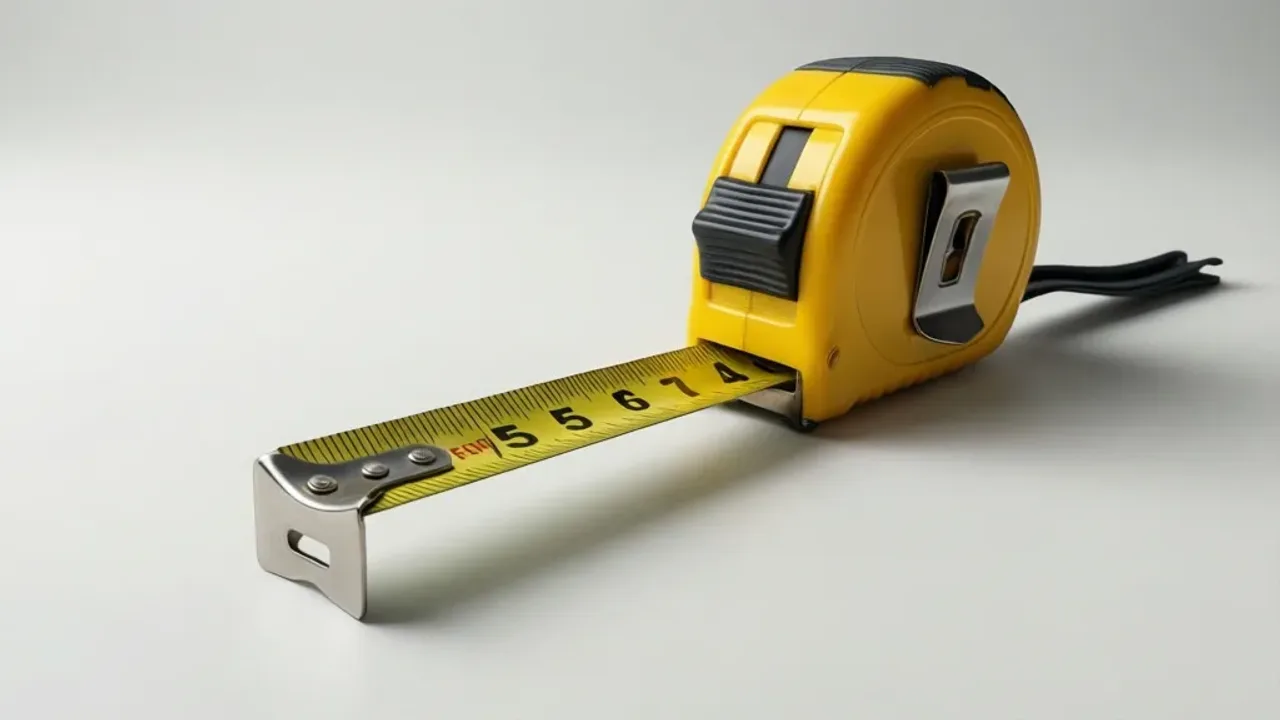 AI-generated image
Key Takeaways:
- Five feet is exactly 1.524 meters or 152.4 centimeters long.
- The measurement is equivalent to 60 inches in the imperial system.
- When converting, remember that 12 inches make one foot.
- This length is a common standard for residential fixtures like bathtubs.
[obraz_1]
Detailed Conversion Breakdown
Precision is vital in any measurement task. Because the international inch is defined as exactly 2.54 centimeters, the math behind the foot is non-negotiable. One foot is 12 inches, making one foot exactly 30.48 centimeters. When you multiply this by 5, you reach the standard result of 152.4 centimeters. This is exactly 1.524 meters.
Many people find it helpful to visualize these numbers in different contexts. Whether you are buying furniture or measuring a room, having these numbers ready saves time. Below is a comprehensive table detailing how this specific length translates into other common units of measurement.
| Unit | Conversion Value |
|---|---|
| Inches | 60 inches |
| Centimeters | 152.4 centimeters |
| Meters | 1.524 meters |
| Yards | 1.667 yards |
| Millimeters | 1,524 millimeters |
Standard Measurement Definitions
The definition of a foot is rooted in historical standards, but in the modern era, it is locked to the metric system. Every foot is exactly 12 inches. Because the inch is internationally standardized, there is no ambiguity. When you need to know how long is 5 feet, you are working with a definition that applies globally to engineering, manufacturing, and commerce.
This standardization prevents errors in production. If a manufacturer in one country produces a component that is 5 feet long, it must fit perfectly into a design created elsewhere. Precision matters. By adhering to the 1.524-meter standard, professionals ensure that parts fit, rooms are sized correctly, and safety regulations are met without deviation.
Practical Applications in Daily Life
You encounter the 5-foot length more often than you might realize. It is a common dimension in residential construction. For example, standard bathtubs are often designed to be 5 feet in length. This size fits into most bathroom layouts while providing enough room for a comfortable experience. Similarly, small kitchen islands or breakfast nooks often utilize this dimension to maximize floor space without obstructing traffic flow.
In athletics, spacing is crucial. You will find that equipment is often placed at intervals that rely on whole numbers of feet. Knowing the exact length helps when you are planning your own workspace or gym setup. It is a very practical number to keep in mind.
When working with this length, consider these practical tips to maintain accuracy:
- Verify your measuring tool. Ensure it is calibrated correctly before starting.
- Check the units. Using inches when you meant centimeters causes major errors.
- Mark your points. Use a sharp pencil to ensure your 5-foot line is precise.
- Use a steel tape measure. It is more reliable than cloth for construction tasks.
- Double-check the math. Confirm your 1.524-meter requirement against your plan.
The Importance of Metric Conversions
The global reliance on the metric system makes it essential to understand how imperial units like feet compare to meters. While the United States continues to use the customary system, the rest of the world primarily uses meters and centimeters. If you are ordering materials from international suppliers, you must be comfortable with the conversion to 1.524 meters.
This conversion is purely mathematical. However, errors in calculation can lead to wasted materials and increased costs. Always keep a conversion chart nearby if you work with both systems. It makes life easier. Relying on mental math is risky when accuracy is required.
Frequently Asked Questions
How many inches are in 5 feet?
There are exactly 60 inches in 5 feet. You find this by multiplying the 5 feet by the 12 inches defined for every single foot.
Is 5 feet the same as 1.5 meters?
While 1.5 meters is a close approximation, 5 feet is technically 1.524 meters. Using the precise figure is recommended for professional construction or technical work.
How can I easily visualize this length?
You can visualize 5 feet by looking at a standard bathtub, which is often manufactured to this length. It is also slightly longer than the height of many elementary-aged children.
Why is 5 feet a common measurement?
This length appears frequently because it represents a round number of feet that fits well within human-scale architecture. It is a convenient standard for furniture, spacing, and height references in residential design.
What is the best way to determine how long is 5 feet in a workspace?
To determine this length accurately, use a calibrated measuring tape or a ruler to mark exactly 152.4 centimeters. Precision is key when planning spacing for equipment or furniture.
Does the measurement change based on temperature?
Standard measuring tapes are usually calibrated for room temperature. Extreme heat or cold might slightly alter the physical length of a metal tape, but the theoretical length of 5 feet remains constant.
Are there other ways to express 5 feet?
Yes, you can express it in yards, which is 1.667 yards. However, feet and inches are the most common ways to describe this specific distance in the United States.
Final Considerations for Accurate Measuring
When you start a project, clarity is your best friend. Knowing exactly what you are measuring prevents frustration later on. Whether you are hanging a shelf or measuring a piece of lumber, the distance of 5 feet is reliable and easy to work with once you know the conversion.
Always prioritize using the right tools. A high-quality tape measure ensures that your 1.524-meter measurement is consistent across all your work. Avoid using flexible plastic tapes that can stretch over time. Sturdy, metal tools provide the accuracy you need for professional-grade results. If you maintain these habits, your projects will succeed every single time.
In summary, 5 feet is equivalent to exactly 1.524 meters or 60 inches. Always use the precise decimal conversion rather than rounding to 1.5 meters to ensure accuracy in your projects.
Share: