A distance of 200 feet is equal to 60.96 meters. If you are wondering how big is 200 feet, this measurement is equivalent to exactly 66.67 yards or 2,400 inches. It is a precise length used across many fields, from construction planning to athletic training. Understanding this distance allows for better spatial awareness in both professional and recreational settings.
MeasurementsNovember 10, 2026
How Big Is 200 Feet? Exact Conversions and Comparisons
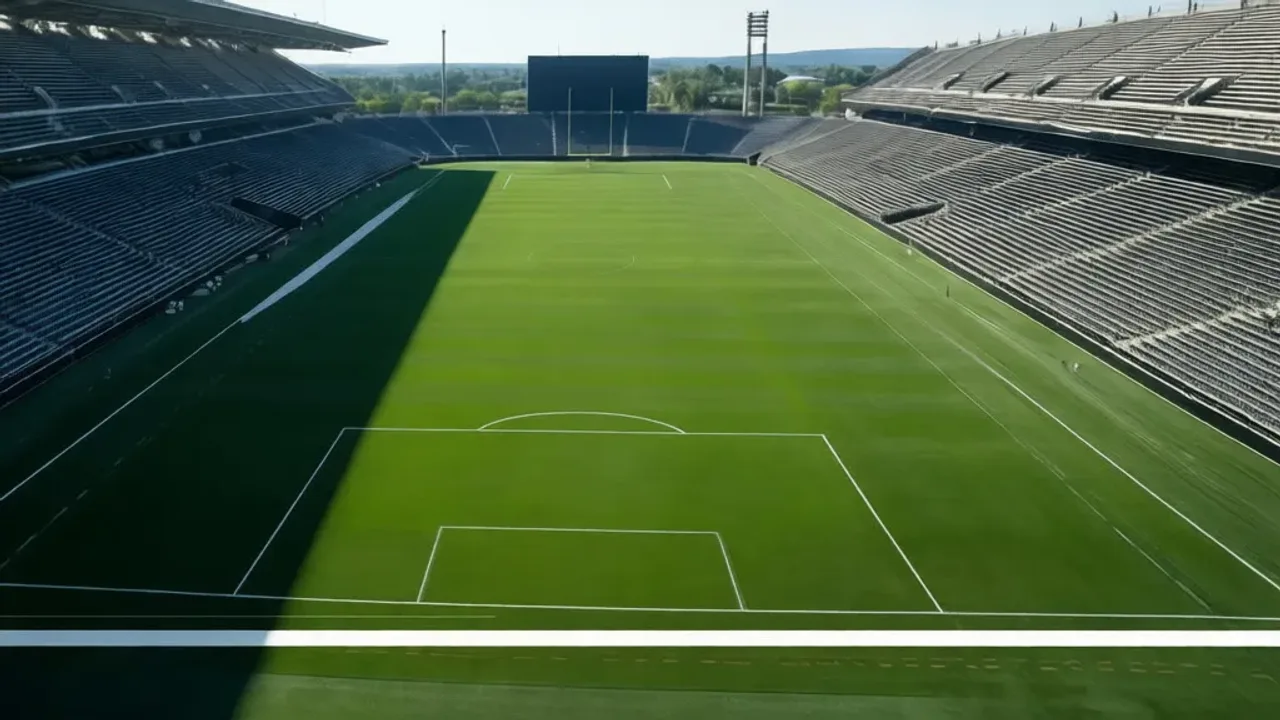 AI-generated image
Key Takeaways:
- Two hundred feet converts exactly to 60.96 meters.
- This length represents two-thirds of a standard 300-foot football field.
- Walking 200 feet at a moderate pace typically takes about one minute.
- The measurement is based on the imperial standard where one foot equals 0.3048 meters.
Visualizing 200 Feet in Everyday Objects
To better grasp how big is 200 feet, it helps to compare it against common units and objects. The following table provides a breakdown of how this measurement translates into different formats, making it easier to visualize in daily life.
| Unit of Measurement | Comparison Value |
|---|---|
| Inches | 2,400 inches |
| Yards | 66.67 yards |
| Meters | 60.96 meters |
| Football Field Length | 0.67 of a field |
Visualizing large distances can be difficult without a reference point. When you think of 200 feet, consider the layout of your immediate environment. It is a substantial distance. It is not easily measured by sight alone. Using standardized units like meters or yards provides the clarity needed for accurate planning.
Engineering and Construction Applications
In the world of construction and property development, 200 feet is a frequent measurement. It often defines the length of utility lines, the depth of a driveway, or the required setback for building codes. When contractors work with this distance, they rely on the exact conversion to ensure that materials are ordered correctly and that site plans align with official requirements.
Planning for space requires accuracy. Follow these simple steps for your next project:
- Verify your starting and ending points to ensure a straight line.
- Use a reliable measuring wheel to cover longer distances efficiently.
- Avoid obstacles along your path to maintain measurement integrity.
- Document your findings in both feet and meters for broad compatibility.
Many professionals prefer working with the metric system due to its base-ten nature. However, in the United States, the imperial system remains the standard for residential and commercial building permits. Knowing how to bridge these two systems is a valuable skill for any project manager.
Athletic and Recreational Contexts
Sports fields provide the most intuitive way to understand distance. A standard American football field is 300 feet long. By extension, 200 feet covers exactly two-thirds of that distance. This makes it a perfect interval for sprint training or for marking specific zones on a practice field.
Keep these practical guidelines in mind when working in recreational areas:
- Use 200 feet as a reference point for two-thirds of a regulation football field.
- Estimate that walking this distance at a relaxed pace requires approximately 60 seconds.
- Recognize that 200 feet is equivalent to 2,400 inches, which is helpful for smaller scale project planning.
- Ensure your markers are visible from both ends of the 200-foot span.
Athletes often use this distance to build endurance. Running back and forth across a 200-foot section helps track progress over time. It is a common training drill. It provides consistent results.
Standardization of the Foot
The measurement of 200 feet is derived from the international standard definition of a foot. Since 1959, the international foot has been defined as exactly 0.3048 meters. This standardization ensures that whether you are measuring in the United States or abroad, the physical distance remains consistent. This stability is vital for manufacturing, international shipping, and global infrastructure projects.
Without this shared standard, precision engineering would be nearly impossible. Every tape measure and laser rangefinder sold today relies on this specific conversion factor. It is the foundation of modern spatial measurement.
Common Comparisons for 200 Feet
In many scenarios, 200 feet serves as a standard benchmark. It is long enough to be significant but short enough to be manageable. Whether you are setting up a practice area or measuring a property line, keep these guidelines in mind. Accuracy matters. It ensures safety and project success.
Determining how big is 200 feet is simple. Use the standard conversion of 0.3048 meters per foot. It is quite easy. By mastering these conversions, you gain better control over your physical environment and planning tasks.
Frequently Asked Questions
How many yards are in 200 feet?
There are exactly 66.67 yards in 200 feet. You can calculate this by dividing 200 by 3, since there are three feet in every yard. This simple division is a standard practice in field sports and landscaping.
How does 200 feet compare to a football field?
A standard American football field measures 300 feet from goal line to goal line. Consequently, 200 feet covers exactly two-thirds of the total length of the field. It is a common interval for drills.
Is 200 feet considered a long distance?
Whether 200 feet feels like a long distance depends on your activity, such as walking or measuring radio range. For an average person walking at a moderate pace, this distance takes about one minute to cover. It is a substantial yet traversable distance.
How many meters is 200 feet?
A distance of 200 feet is equal to 60.96 meters. This conversion is derived from the international standard that defines one foot as 0.3048 meters. This is the most accurate way to translate the measurement into the metric system.
What is the total in inches?
There are 2,400 inches in 200 feet. This is calculated by multiplying the 200-foot length by 12, as there are 12 inches in every foot. This level of detail is often required for precise architectural work.
In summary, 200 feet is defined as 60.96 meters. This distance effectively covers two-thirds of a standard football field, providing a reliable visual reference for your measurements.
Share: