"Bussin" is a slang adjective used to describe something, particularly food, that is exceptionally delicious or of high quality. Understanding the bussin meaning helps you communicate strong approval in casual, modern settings.
MeaningsOctober 29, 2026
What Does Bussin Mean? Definition and Proper Usage Explained
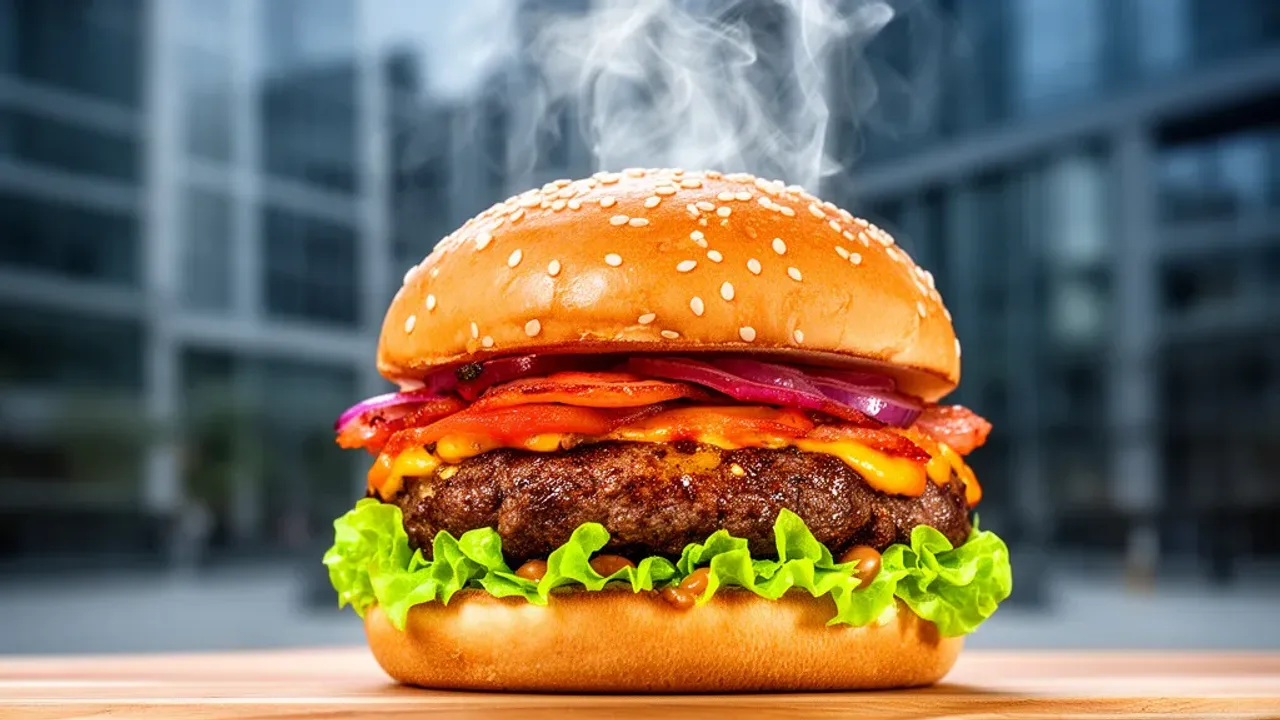 AI-generated image
Key Takeaways:
- The term describes something excellent or top-tier.
- It is most commonly used to compliment food or music.
- It originated in African American Vernacular English (AAVE).
- Use it only in informal social settings.
The term originated in African American Vernacular English. It gained significant visibility through various social media platforms as users shared their experiences. It is now widely used to express excitement when someone finds a meal or experience highly satisfying. Researching the bussin meaning reveals it acts as a high-level compliment. It is often reserved for things that significantly exceed initial expectations. It is a powerful way to show enthusiasm.
Context and Evolution of the Term
Language evolves quickly in the digital age. Slang terms often move from niche community usage into the mainstream via viral videos and social media trends. "Bussin" follows this path perfectly. It started within specific cultural circles and expanded to become a staple in casual online discourse.
While the term is primarily used for food, its application has broadened. You might hear it used to describe a catchy song, a well-designed piece of clothing, or a highly effective piece of technology. Regardless of the item, the core message remains the same: the subject is of superior quality. It is a positive label. It signals high satisfaction.
How to Use It
Using slang effectively requires understanding social boundaries. Because "bussin" is informal, it is best kept away from professional or academic environments. When you are with close friends or interacting on personal social media accounts, however, it is a perfect way to show your approval.
- "This burger is absolutely bussin!"
- "I tried the new pasta place and the food was bussin."
- "That beat in the new song is truly bussin."
Comparison of Contextual Appropriateness
| Context | Appropriateness |
|---|---|
| Casual conversation with peers | High |
| Social media platforms | High |
| Corporate business meetings | Low |
| Formal academic writing | Low |
Best Practices for Using Slang
- Assess your audience before speaking.
- Use it only for items you truly enjoy.
- Keep your tone light and enthusiastic.
- Avoid overusing it in every sentence.
Common Synonyms
- Delicious
- Tasty
- Excellent
- Impressive
- Top-tier
Frequently Asked Questions
Is "bussin" only for food?
No. While most associated with food, it describes many high-quality experiences. People apply it to music, fashion, or events that they find particularly good.
Is it professional language?
No. It is informal slang. Use it with friends, not in boardrooms or professional email chains.
Does it have negative meanings?
Never. It is strictly positive. If someone says an item is bussin, it means that the item exceeds their expectations and is of great value.
What is the linguistic origin?
It comes from African American Vernacular English. It gained popularity through widespread use on various social media platforms.
How do I use it in a sentence?
Use it as an adjective. It means excellent. For example, say "that meal was bussin" to praise the chef for a job well done.
To summarize, the bussin meaning is a positive descriptor for high-quality items. Use this term exclusively in casual settings to convey genuine enthusiasm.
Share: