The study of the natural world is filled with wonders, and insects represent one of the most diverse groups of organisms on the planet. When exploring the taxonomic diversity of these creatures, many observers find themselves searching for specific groups, such as those categorized as insects that start with a. From the industrious ant to the specialized assassin bug, these species play critical roles in maintaining the health of our ecosystems. This guide provides a detailed look at these fascinating animals, their behaviors, and their ecological significance.
Word ListsOctober 9, 2026
Insects That Start With A: A Comprehensive List and Guide
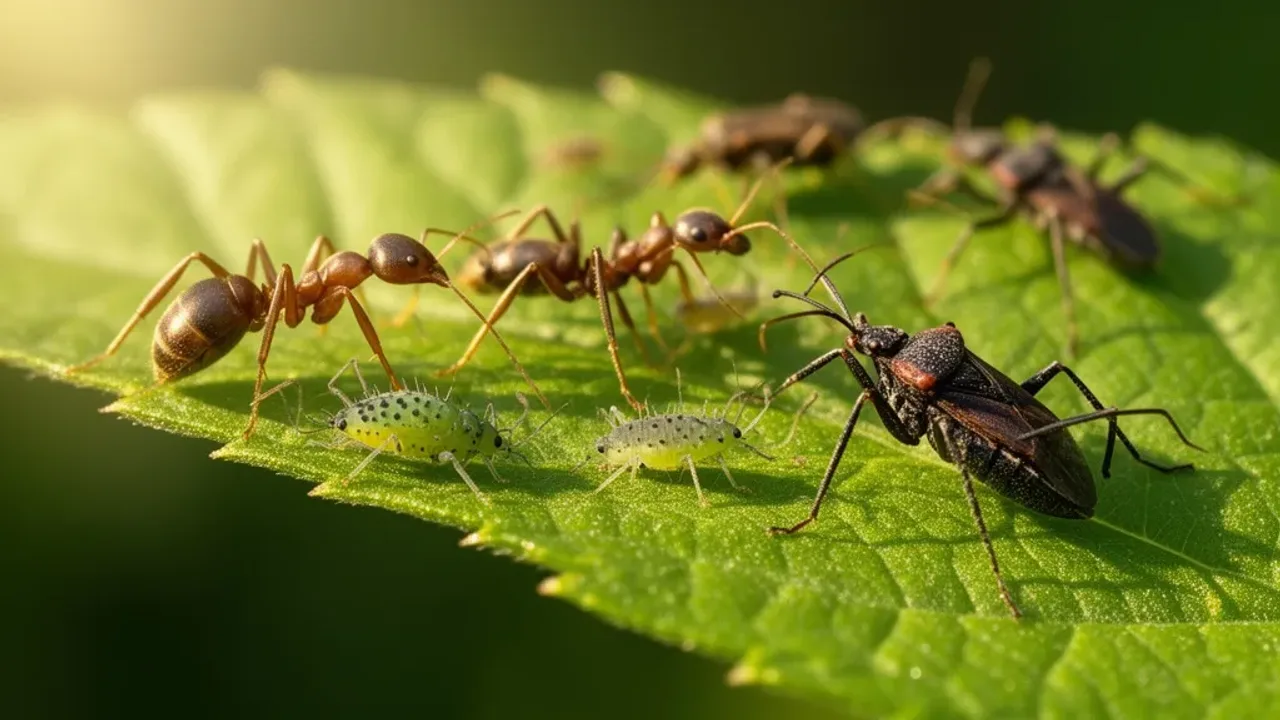 AI-generated image
Key Takeaways:
- Insects that start with a represent a broad taxonomic category including ants, aphids, and various predatory species.
- The ant is recognized as a highly social insect, while the aphid is known for its sap-sucking habits.
- When identifying insects that start with a, focus on physical characteristics like snout length or specific wing patterns.
- Many of these species play significant roles in their respective environments, acting as essential predators or critical food sources for other animals.
Overview of Categorization
Insects that start with a comprise a vast array of life forms. Because entomology is a complex field, classifying these creatures requires an understanding of their life cycles, feeding habits, and physical traits. Whether you are a student, a gardener, or an amateur naturalist, understanding the variety inherent in this group can help you better appreciate the complexity of the natural world.
Many insects that start with a are common sights in domestic gardens. For instance, the ant is a ubiquitous presence in almost every terrestrial environment. Similarly, aphids are often found on the underside of leaves, where they feed on plant phloem. Recognizing these species is the first step toward effective pest management and ecological stewardship.
Concise Descriptions of Common Species
- Ant: A social insect living in highly organized colonies with a queen and various worker castes.
- Aphid: A tiny sap-sucking insect often found in dense clusters on garden plants and ornamental shrubs.
- Assassin bug: A predator that uses its rostrum, or needle-like beak, to hunt and consume other insects.
- Admiral butterfly: A colorful insect known for its migratory patterns and striking wing coloration.
- Acorn weevil: A beetle distinguished by its long, slender snout used for boring into nuts.
- Armyworm: A moth larva known for moving in large, hungry groups to feed on agricultural crops.
- Ailanthus webworm: A moth known for its bright orange and black coloration and silken webs.
- Anopheles mosquito: A well-known insect recognized for its role in disease transmission and unique resting stance.
- Ambrosia beetle: A wood-boring insect that farms fungi within the galleries it creates in trees.
- Aphid lion: The larva of a lacewing, which is a voracious predator of aphids.
Educational Snippets: Behavioral Insights
Understanding behavior is crucial when studying insects that start with a. For example, ants demonstrate complex social structures and a sophisticated division of labor within their colonies. This collective intelligence allows them to thrive in diverse climates. In contrast, aphids reproduce rapidly, making them a primary subject for studies on population dynamics and agricultural impact. The assassin bug, however, operates as a solitary hunter, demonstrating patience as it waits for prey to wander within striking distance.
Red admiral butterflies are frequently observed in many gardens. They are recognized by their dark wings with bright orange-red bands. Meanwhile, acorn weevils utilize their specialized snouts to bore into nuts for egg-laying, ensuring their offspring have a protected environment. These unique strategies highlight the evolutionary diversity found within the group of insects that start with a.
Scientific Summaries and Taxonomy
| Insect | Taxonomic Category | Canonical Name |
|---|---|---|
| Ant | Formicidae | Formicidae |
| Aphid | Aphididae | Aphididae |
| Assassin bug | Reduviidae | Reduviidae |
| Admiral butterfly | Nymphalidae | Vanessa atalanta |
| Acorn weevil | Curculionidae | Curculionidae |
| Armyworm | Noctuidae | Spodoptera |
| Ambrosia beetle | Curculionidae | Scolytinae |
Identification Tips for Naturalists
- Observe the physical characteristics of the insect, such as the length of the antennae or the presence of a distinct snout.
- Examine the habitat to see if the insect is found on foliage, in soil, or near water sources, as this often points to specific dietary needs.
- Note the social behavior of the insect to determine if it lives in colonies or operates as a solitary predator.
- Check for specific wing patterns or body color markings that define the insect, as these are often the most reliable indicators for identification.
- Consult local field guides or digital databases to compare your findings with known records in your specific region.
Frequently Asked Questions
Are there many species in this group?
Yes. There is a vast array of species categorized as insects that start with a, ranging from common garden ants to highly specialized predatory insects. These species are distributed across diverse environments and exhibit a wide range of behaviors [1].
How do I identify an assassin bug?
You can identify an assassin bug by examining its physical characteristics, specifically looking for a sharp, needle-like beak used for hunting. These insects are often found in garden settings acting as natural predators [2].
What is the canonical name for the ant?
The taxonomic category for the ant is Formicidae. These insects are characterized by their complex social structures and division of labor within the colony [3].
Why is the Ailanthus webworm considered unique?
The Ailanthus webworm is noted for its bright orange and black coloration and its tendency to build silken webs. These physical characteristics make it a distinct insect that starts with a [4].
Where can I find more information on these insects?
Research resources such as those provided by the Natural History Museum of Los Angeles County (NHMLAC) or academic departments at the University of California, Los Angeles (UCLA) offer detailed studies on various species. These institutions provide extensive data regarding local insect populations in the Southern California (SoCal) region [5].
The Ecological Importance of Diversity
The presence of various insects that start with a is a strong indicator of environmental health. Predators like the assassin bug help control populations of other insects, while decomposers and those that interact with fungi contribute to nutrient cycling in forest soils. Protecting these species involves preserving their natural habitats and minimizing the use of broad-spectrum pesticides that can affect non-target organisms.
Furthermore, many of these species act as pollinators or food sources for birds and small mammals. By studying them, we gain insights into the fragility and resilience of our local ecosystems. Whether it is the tiny aphid or the industrious ant, each plays a part in the larger biological puzzle.
Summary
Identifying these species requires a careful examination of their physical characteristics and behavioral patterns. Focus on the taxonomic category and canonical name of each specimen to ensure accurate classification in your research.
Share: