1 tablespoon is equal to 3 teaspoons. This specific conversion of 1 tablespoon to teaspoons is a fundamental requirement for anyone following a recipe accurately. Whether you are a seasoned home chef or just beginning your culinary journey, understanding how these common kitchen units relate to one another is essential for achieving the perfect balance of flavors and textures in your cooking.
ConvertersAugust 27, 2026
1 Tablespoon Equals 3 Teaspoons: Quick Conversion Guide
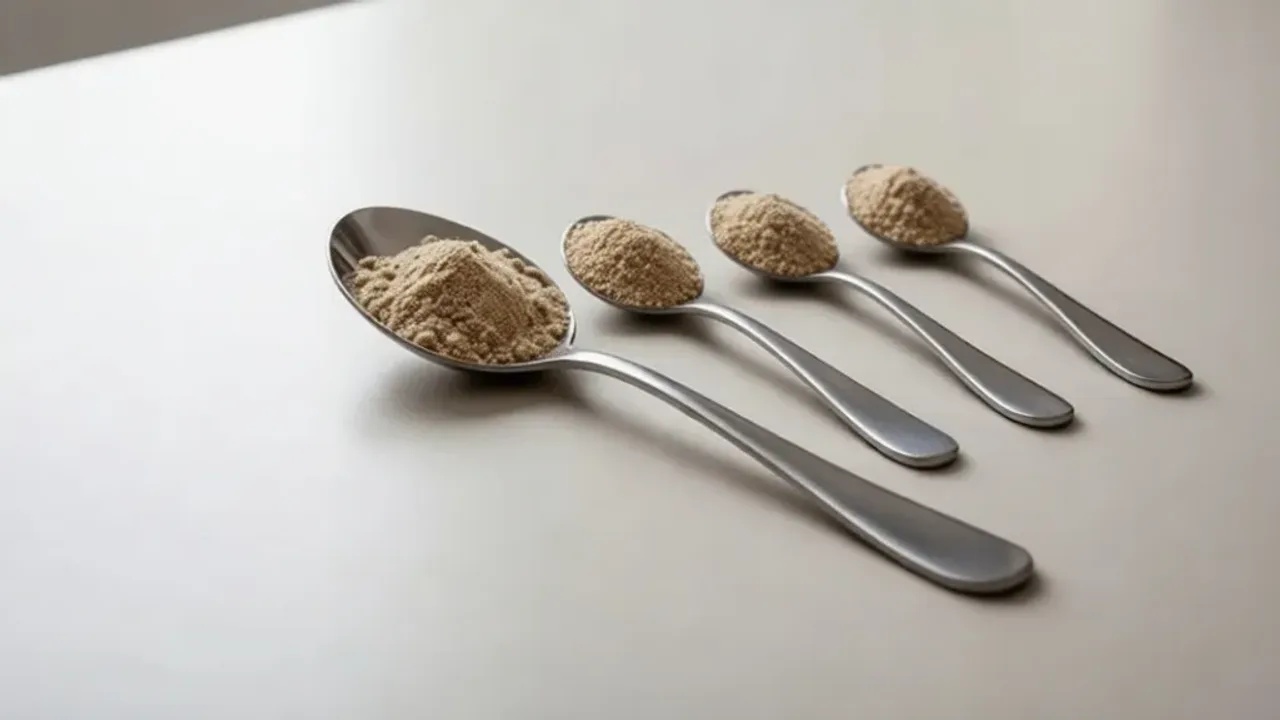 AI-generated image
Key Takeaways:
- One tablespoon converts exactly to 3 teaspoons.
- This measurement ratio is a standard convention for culinary tasks.
- Always use level spoonfuls to maintain the accuracy of your recipe.
- The 1 to 3 ratio applies consistently to both liquid and dry ingredients.
Measurement Equivalence
The conversion between tablespoons and teaspoons is a fundamental ratio in culinary measurements. Specifically, one level tablespoon equals three level teaspoons. This consistent ratio ensures accuracy when you scale ingredients for a larger party or reduce them for a single serving. When you need to understand the relationship of 1 tablespoon to teaspoons, you simply multiply the tablespoon count by three. It is that simple. Precise measurements are the backbone of successful baking and cooking.
To ensure precision in your kitchen work, keep these points in mind regarding your tools and techniques:
- Use measuring spoons designed for culinary tasks rather than everyday flatware.
- Ensure the ingredient is leveled off at the rim of the spoon for an accurate volume.
- Avoid using heaping spoonfuls, as this will result in more than the intended 3 teaspoons.
- Store your measuring sets together in a drawer to ensure you always have the correct size available.
- Clean your spoons between different ingredients to prevent cross-contamination of flavors.
| Tablespoons | Teaspoons |
|---|---|
| 1 tablespoon | 3 teaspoons |
| 2 tablespoons | 6 teaspoons |
| 3 tablespoons | 9 teaspoons |
| 4 tablespoons | 12 teaspoons |
| 5 tablespoons | 15 teaspoons |
Practical Application
Understanding this conversion is essential for balancing flavors. Follow these steps when you need to calculate 1 tablespoon to teaspoons for your ingredients:
- Identify the required amount of tablespoons listed in the recipe.
- Multiply that number by 3 to determine the total number of teaspoons needed.
- Measure each teaspoon individually to ensure the total volume is exact.
- Level off the dry or liquid ingredient with a straight edge to remove excess.
Consistency is key. Precision matters here. Small errors in measurement can significantly impact the final result of a delicate dish.
Frequently Asked Questions
Is the measurement for a tablespoon always the same?
Yes, a tablespoon is consistently equivalent to 3 teaspoons. This universal ratio is applied to both dry and liquid ingredients to maintain consistency across various recipes.
Should I use level or heaping spoonfuls?
Standard conversions rely on level measurements. Always level off your spoon at the rim to ensure you are not adding too much of a specific ingredient.
Does this apply to metric measurements?
This conversion ratio is based on the standard United States customary units. It is the accepted convention for American culinary applications.
Can I use a regular eating spoon?
It is not recommended to use everyday table cutlery. These items are not calibrated for precise volumes and will lead to inaccuracies.
Are there cases where this ratio changes?
In standard culinary practice, the ratio remains constant at 1:3. Any variation typically stems from poor measuring technique rather than the conversion factor itself.
The standard conversion for 1 tablespoon is exactly 3 teaspoons. Always ensure your spoonfuls are leveled off to maintain the quality of your dish.
Share: